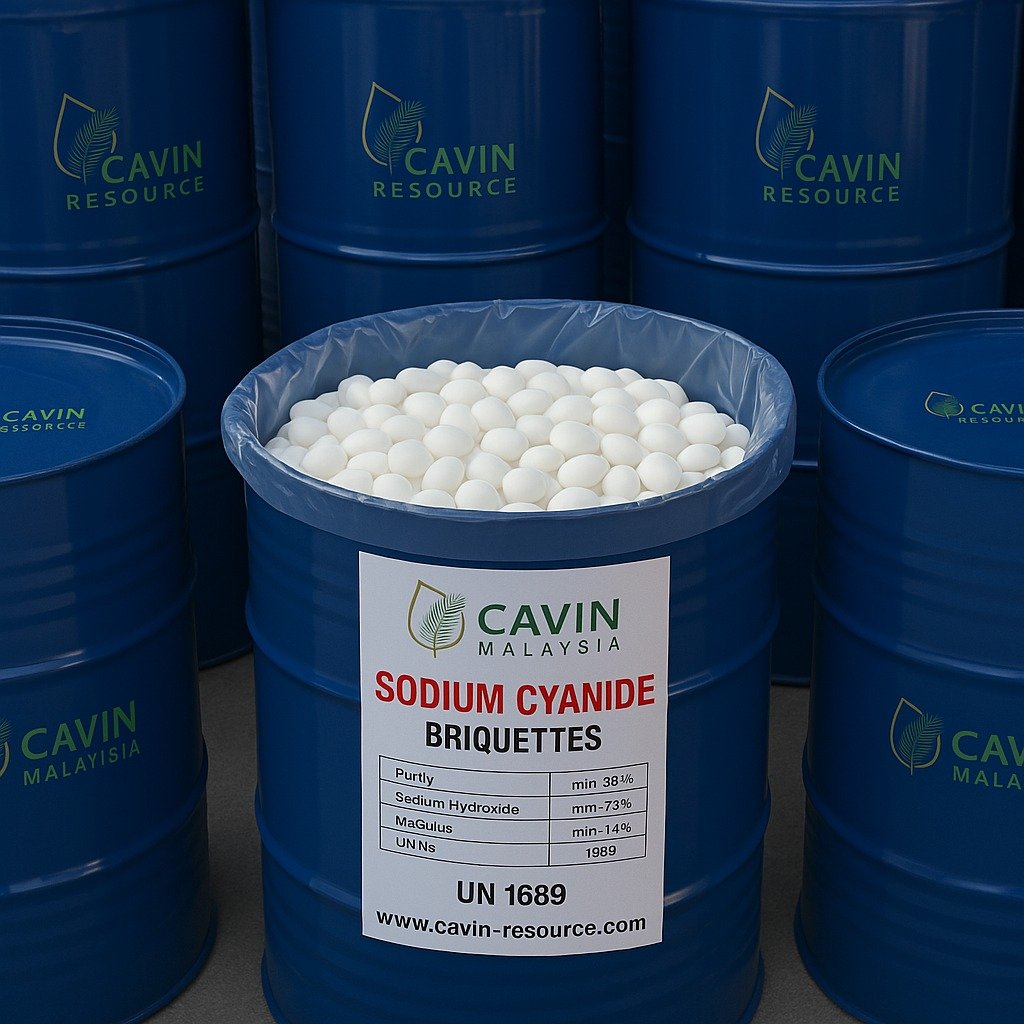
Acquiring sodium cyanide presents serious challenges due to its controlled status. Typically , it's not available to the general public without proper licensing . Legitimate manufacturing operations, such as metal refining, are the usual sources and necessitate strict following of regional guidelines. Attempting to get cyanide through illicit channels carries severe punitive penalties . Hence, this article cannot provide information on how to unlawfully obtain this toxic chemical . Instead , we emphasize on appreciating the permitted avenues and the necessity of proper handling practices – always referring to qualified experts.
```text
Sodium Cyanide Price Trend: Recent Fluctuations and Future Outlook
The existing sodium cyanide price has experienced considerable volatility of late due to a mix of elements . distribution bottlenecks , arising from global tensions and higher demand from the extractive industry have resulted to the increasing movement . Analysts forecast that this fluctuation will potentially continue shortly, although a moderation in prices is projected if logistical problems are resolved and requirement levels off . Long-term forecast remains moderately positive , hinging on worldwide situation and sustained advancement in replacement processes.
```
Top Sodium Cyanide Manufacturers in India: A Thorough List
Finding trusted sources for sodium cyanides in India can be complex, given the specific regulations surrounding its manufacture . This report aims to present a detailed catalog of key Indian companies involved in the production of this compound . While a exhaustive enumeration is difficult due to the sensitive nature of the industry, we’ve gathered information on several significant firms including Gujarat Alkalies and Chemicals Ltd., Oswal Chemicals, and a number of smaller, niche producers . Kindly observe obtaining sodium cyanide requires appropriate licensing and adherence to applicable safety protocols – this list is for informational purposes only and does not constitute an approval of any particular firm . We suggest careful due diligence before working with any manufacturer.
```text
Understanding Sodium Cyanide: Is It a Base? Chemical Properties Explained
Sodium cyanide's (NaCN) presents a complicated chemical manner, often prompting debate about its categorization as a base. While it can function as a base under certain conditions, it's more accurately understood as a salt. The cyanide radical, CN-, possesses a unpaired pair of electrons, allowing it to impart electrons, a characteristic associated with basicity. However, this electron couple is strongly bound and not readily accessible for proton taking, unlike stronger bases. Sodium cyanide quickly forms complexes with metallic ions, demonstrating its nucleophilic qualities. Its chemical name of cyanide primary reactivity involves nucleophilic replacement reactions, equally than proton abstraction. Therefore, while it can exhibit limited basic behavior in specific situations, classifying it solely as a base is a reduction of its diverse chemical features. In conclusion, NaCN's chemical nature is best viewed as a nucleophilic salt.
```
Sodium Cyanide Supply & Demand: Finding Reliable Sources
Obtaining the compound reliably for industrial uses requires careful due diligence . Finding credible vendors can be challenging due to the sensitive nature of the compound. Recognized organizations will typically demand extensive records verifying the planned end-use and adherence with relevant guidelines. Beware suspect providers, as they may operate outside of official channels or be involved with illicit practices . Always confirm credentials and request references before establishing a business connection .
Sodium Cyanide: Cost Analysis and Manufacturer Comparisons
The production of sodium cyanide presents a complex financial landscape, impacting its overall outlay. Raw material acquisition , primarily gas and salt, significantly influences the final charge. A thorough cost analysis reveals that smaller, regional producers often have higher each costs due to limited economies compared to larger, multinational entities . For copyrightple, Chinese companies, like Inner Mongolia Yuanxing Chemical and Jiangsu Yongtai Technology, frequently offer lower costs – often $5-$10 USD per kilogram – leveraging substantial national subsidies and access to cheaper raw materials; however, quality control and regulatory concerns can sometimes elevate the total outlay . Conversely, European and North American producers , such as Weylchem and Chemours, while typically commanding a premium fee (ranging from $12-$18 USD per kilogram), often emphasize stricter operational protocols and tracking . A direct comparison necessitates considering not only the initial purchase cost but also shipping fees, import implications, and potential penalties for non-compliance with worldwide regulations.
- Cavinresource
- Chemours
- Inner Mongolia Yuanxing Chemical
- Jiangsu Yongtai Technology